
Close search
 Published :
/
Published :
/ Posted by : Retech
The two key points for high-quality laying hens are early sexual maturity and feed intake of pullets. How to promote feed intake, staged feeding and start-up management of pullets is described.
Ensuring that the flock has good uniformity is not the biggest challenge of high-quality laying hens. If the pullets take a long time to empty the feeder each time, they can maintain body weight uniformity above 85% early in the brood and even throughout the rearing period.
The key to high-quality laying hens is their early sexual maturity. If laying starts too early, the feed intake of the chickens is not sufficient to maintain the nutritional requirements required for production, which increases the risk of laying hens in the nest, while causing laying hens to reduce egg production and egg weight in the later stages of peak egg production.
The main goals of the early brooding period are to develop a suitable skeleton structure, increase feed intake of the pullets, and finally to delay the start of production by adjusting the lighting program. It is also important to reduce stress through nutritional interventions, starting from 16 weeks of age in pullets until the flock reaches 5% egg production.
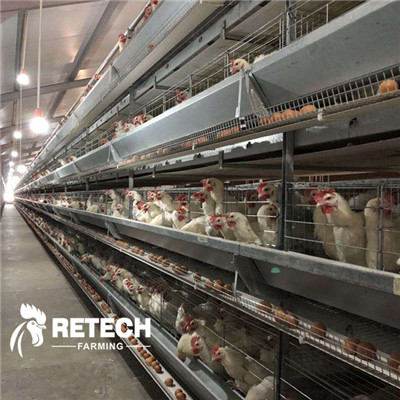
Breeding techniques should be used to promote feed intake of pullets after hatching to improve early weight gain of pullets.
Intermittent light is used for pullets before 3 to 4 weeks of age, such as 2.5 h of light + 0.5 h of dark for 0 to 7 days of age. In addition, the light duration should be adjusted according to the behavior of the chickens to stimulate the activity of the chickens, thereby increasing the feed intake.
Pullets were fed an open feed with a metabolizable energy of 11.97 MJ/kg and a crude protein content of 19% before 4 to 5 weeks of age to promote weight gain. According to the weight gain of the pullets, the brooding feed with a metabolizable energy of 11.55 MJ/kg and a crude protein content of 18% to 19% is used to feed to about 8 weeks of age.
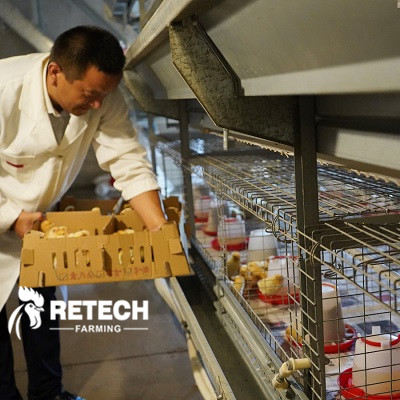
The feed intake of laying hens is usually higher than that of breeders. The feeding time of laying hens in the rearing stage can easily exceed 4 h. Therefore, at this stage, it must be provided with feed in good shape, especially without fine particles in the detritus of the rearing material.
During production, especially when performance increases, increasing the crop size of pullets is the key to increasing their feed intake.
Starting from the age of 6 weeks, the feeding program can be adjusted according to the feed emptying time and the corresponding regulations. Generally, a 5-stage or 7-stage feeding plan can be formulated, which is very important to improve the feeding ability of the pullet. .
In addition, when fed a low-energy finisher with a metabolizable energy of 11.13 MJ/kg, pullets typically increase feed intake in order to maintain their physiological needs. When the young hens are 8 to 9 weeks old, the metabolizable energy will be reduced by 0.42 MJ/kg if the brood feed is replaced with the rearing feed. On the premise of meeting the normal feed intake (55 g), the hens need to eat more 3 g can take in the same amount of energy. To ensure successful refueling, skeleton development should begin before 4 weeks of age.
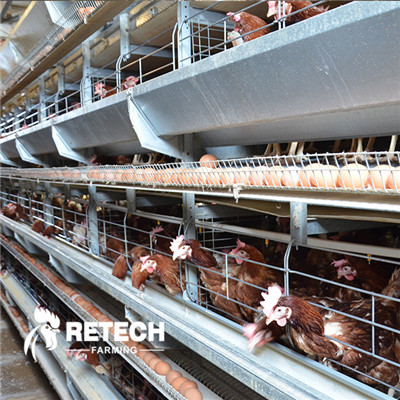
From the age of 11 weeks, the management of pullets should be strengthened to control their developmental status, thereby reducing the stimulation of sexual maturity of laying hens by weight gain. In order to maintain the growth and development of chickens, we can use some special technical means to control the laying age of laying hens.
From the 20th week of age of the pullets until the egg production rate of the flock reaches 1%, the feed is changed from the rearing feed to the egg-laying feed, and the pullets can be fed with the pre-production feed.
After the pullets were 154 days old, light stimulation was performed by increasing the light time by 1 h per week. The light intensity needs to be adjusted based on the behavioral feedback of the pullets and is maintained at a minimum of 60 lx.
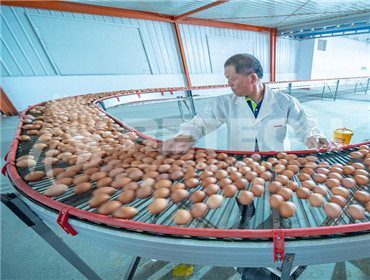
RETECH FARMING makes your chicken raising business much easier and more efficient,modern chicken cage improves your farming profits.
10 tips to ensure that your poultry farm runs smoothly and efficiently while always producing a quality product.
Modern poultry farms battery cage raising chicken in Kenya
Sustainable treatment of manure in large-scale poultry farms in the Philippines: using vertical energy-saving fermentation tanks
How should we build a chicken house?A comfortable and stable chicken coop should consider these 7 factors.
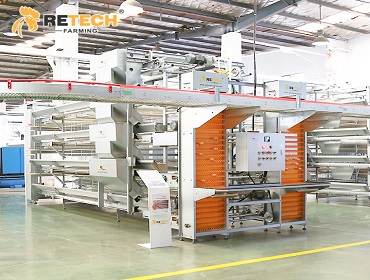
Thinking of using a layer cage system in the Philippines? Learn about the different types, materials, capacity, and how to choose the right chicken farming equipment for your poultry farm. Get expert advice now!





 Back to press release


