
Close search
 Published :
/
Published :
/ Posted by : Retech
In daily life, consumers can start from the following aspects when choosing safer and healthier eggs
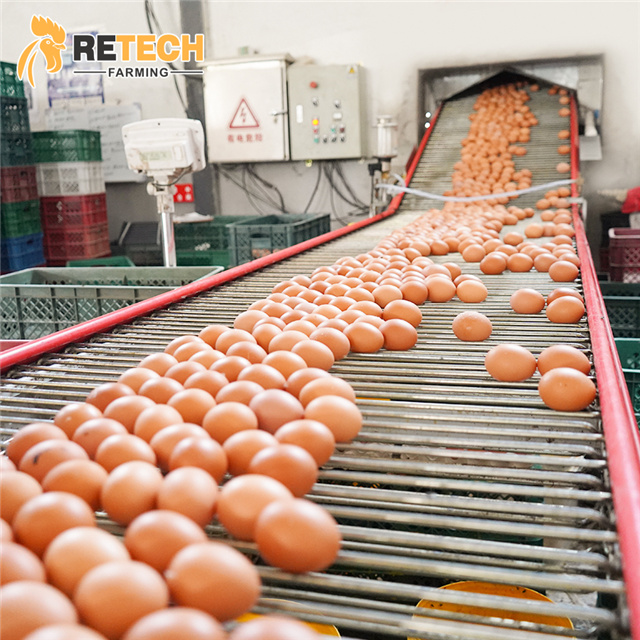
Choose eggs whose packaging boxes have clear production dates, shelf lives and manufacturer information printed on them.
Give priority to products marked with labels such as "antibiotic-free", "hormone-free", "organic certified", "free-range/cage-free", etc. Please pay attention to the authenticity of the certification.
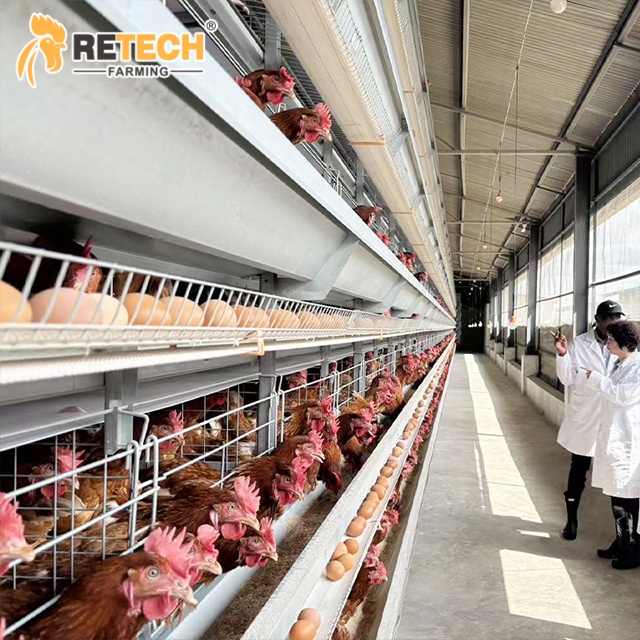
Advantages: The environment is relatively open, the color of the egg yolk is usually darker, and the flavor is sometimes more rich. Animal welfare is relatively good.
Disadvantages: The price is usually high, it is easily affected by environmental hygiene, and attention should be paid to the epidemic prevention information at the place of origin.
Advantages: The breeding environment is relatively natural, and in some areas, it has a better flavor and nutritional preference.
Disadvantages: It has significant stability and price fluctuations, and attention should be paid to the origin standards.
Advantages: Lower price and stable supply.
Disadvantages: High attention is paid to animal welfare and environmental hygiene. There may be systemic issues such as stress and health risks. Attention should be paid to the hygiene and epidemic prevention situation of producers.
The optimal refrigeration temperature is usually between 0 and 4 degrees Celsius. The upper layer of the refrigerator is slightly warmer while the lower layer is slightly cooler. It is best to store eggs in dedicated egg compartments or in their original packaging boxes.
Under normal circumstances, there is no need to wash the eggshells of eggs. There is a natural protective film on the surface of eggshells, which helps eggs stay fresh in the refrigerator. Cleaning may damage this protective film. It is best to wash it before consumption or after cooking.
Fresh eggs: They can generally be kept in the refrigerator for about 3 to 5 weeks. If they have been washed or stored for a long time, pay attention to the smell, cracks and appearance changes.
Freezing
It is not recommended to freeze a whole egg directly (the yolk and white will separate during freezing and affect the texture). If long-term storage is required, you can beat the eggs, add a small amount of salt or sugar (depending on the purpose), and then freeze them for storage.
Egg inspection label
The testing standards and labeling of eggs vary from country to country, which reflects the differences in food safety regulations, the development level of the breeding industry, and consumer protection among countries. The following are the labeling of eggs in Nigeria, Kenya, the Philippines, and Indonesia:
| National | Egg Classification Standards | Mandatory Labeling | Safety Priorities | Special Requirements |
| Nigeria | Grade A/Grade B | Production Date (for some brands) | Salmonella, antibiotic residues | Organic/Free-Range Label |
| Kenya | Grade 1/Grade 2 | Production Date, Farm Code | Salmonella, heavy metals | Organic/Free-Range Label |
| Philippines | AA/A/B | Production Date, Farm Registration Number | Antibiotics, hormone residues | "Vegetarian Fed" Label |
| Indonesia | Grade A/Grade B | Production Date, Shelf Life, Farm Address | Salmonella | Halal Certification |
RETECH FARMING makes your chicken raising business much easier and more efficient,modern chicken cage improves your farming profits.

10 tips to ensure that your poultry farm runs smoothly and efficiently while always producing a quality product.
Modern poultry farms battery cage raising chicken in Kenya
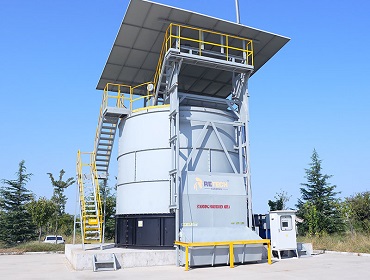
Sustainable treatment of manure in large-scale poultry farms in the Philippines: using vertical energy-saving fermentation tanks

How should we build a chicken house?A comfortable and stable chicken coop should consider these 7 factors.
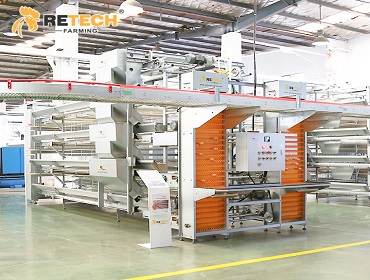
Thinking of using a layer cage system in the Philippines? Learn about the different types, materials, capacity, and how to choose the right chicken farming equipment for your poultry farm. Get expert advice now!





 Back to press release


