
Close search
 Published :
/
Published :
/ Posted by : Retech
The Nigeria poultry industry 2025 continues to be one of Africa’s largest and most strategically important livestock sectors. As population growth accelerates and urban protein demand rises, poultry remains a cornerstone of national food security and agricultural development.
In 2025, Nigeria maintains its position as:
The sector supports millions of jobs across the value chain, from feed production and hatcheries to broiler farms, layer operations, and processing facilities.
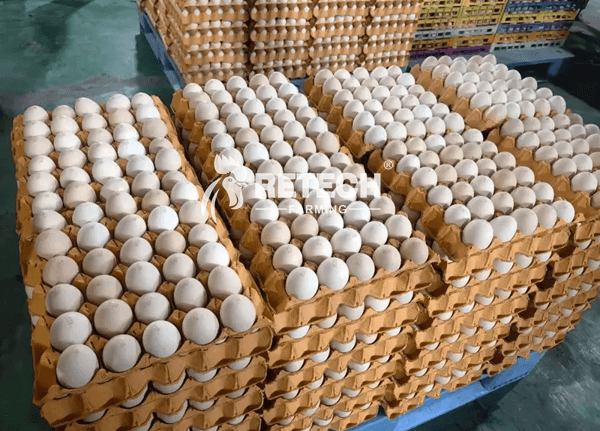
Current estimates show that egg production in Nigeria reaches approximately 650,000 tonnes annually, making the country the largest egg producer in Africa.
Egg production is driven by:
Northern states such as Kano and Kaduna remain key egg production hubs, while urban centers drive consumption demand.
Although egg production Nigeria continues to expand, market realities present challenges:
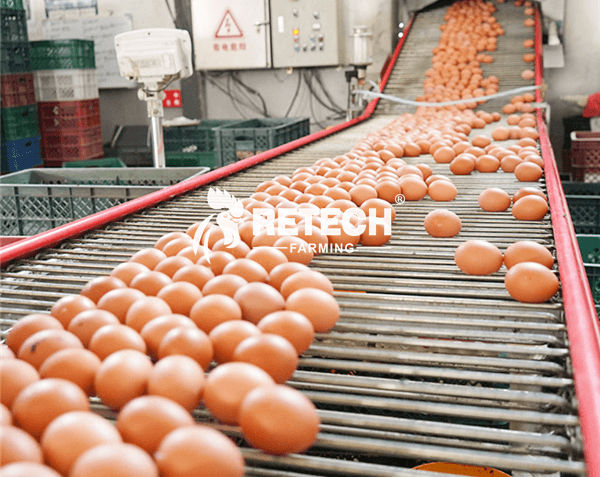
Despite these pressures, long-term demand for affordable protein continues to support steady growth. Modern equipment, such as automatic egg collection and manure removal systems, can help farms improve egg quality, reduce breakage, and maintain biosecurity—key advantages in a competitive market.
Nigeria produces approximately 1.5 million tonnes of chicken meat annually, serving both fresh market demand and institutional buyers.
The Nigeria chicken production 2025 structure includes:
However, domestic production still does not fully meet national demand, creating supply gaps in certain regions.
Key factors influencing chicken production Nigeria:
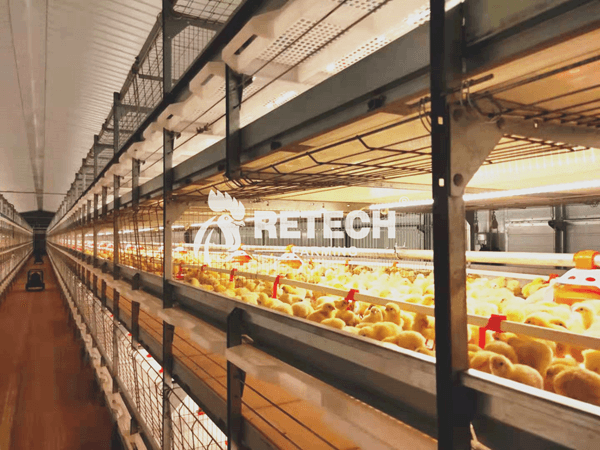
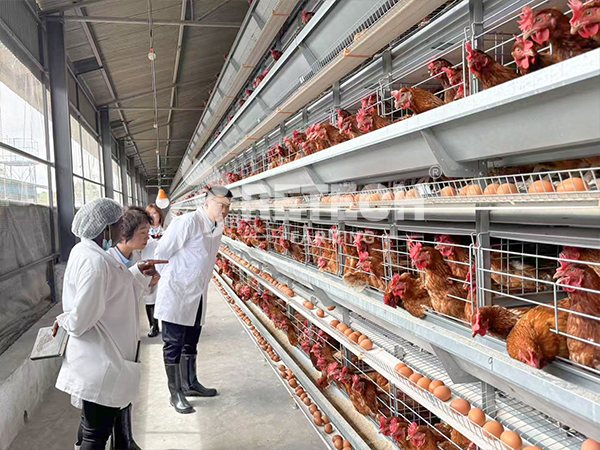
This gap highlights opportunities for modernization and efficiency improvements, including the adoption of automated feeding systems, climate-controlled housing, and integrated farm management.
Feed accounts for approximately 65–75% of total production cost, making efficiency a critical profitability driver in both segments.
1.High Feed Costs – Volatile maize and soybean prices impact farm margins.
2.Biosecurity and Disease Risks – Avian influenza outbreaks and inadequate biosecurity remain threats, especially for smallholders.
3.Limited Infrastructure – Including cold storage gaps, insufficient processing capacity, and distribution inefficiencies.
4.Market Competition – Informal imports and smuggling distort pricing and reduce incentives for local producers.
The Nigeria poultry industry outlook 2026 remains cautiously optimistic, driven by strong demographic fundamentals and policy focus on livestock development.
5.1 Growth Drivers for 2026:
1. Continued population growth;
2. Urbanization and protein demand expansion;
3. Investment in industrial-scale poultry projects;
4. Increased focus on domestic production capacity;
However, the transition from growth to profitability will depend heavily on operational efficiency improvements.
As Nigeria poultry production expands, the industry is shifting from volume-based growth to efficiency-driven performance.
Modern poultry systems offer measurable advantages:
6.1 For Broiler Production
6.2 For Layer Farms
In 2026, farms that invest in automation, climate control, and integrated farm design will be better positioned to reduce cost per egg and cost per kilogram of chicken meat.

The Nigeria poultry industry 2025 reflects both scale and potential. With strong egg production Nigeria capacity and expanding chicken production Nigeria output, the sector remains fundamental to national food security.
Yet the next phase of growth will not be defined by flock expansion alone.
It will be defined by:
As the industry moves into 2026, modernization and system optimization will determine which farms achieve sustainable profitability and long-term competitiveness.
Efficiency defines profitability, and smart production systems define leadership. Farms adopting modern equipment and systems are positioned to succeed in Nigeria’s competitive poultry market.
RETECH is committed to turning customers' needs into complete solutions, so as to help them achieve modern farms with sustainable income and improve farm efficiency.
WhatsApp: +86 185 6181 8850
Email: admin@retechfarming.com
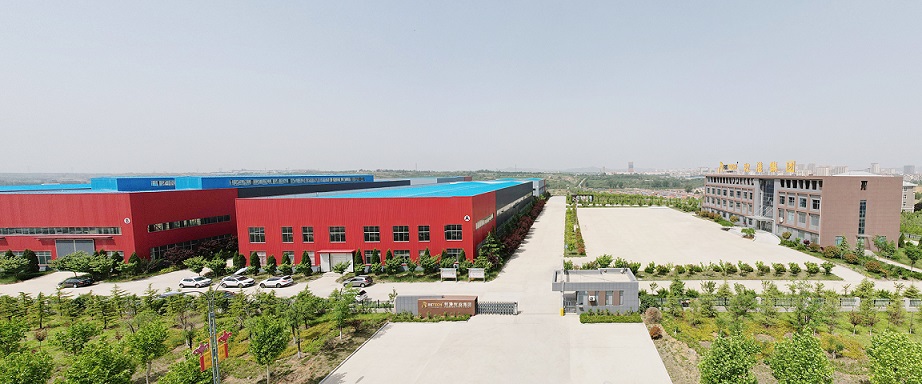
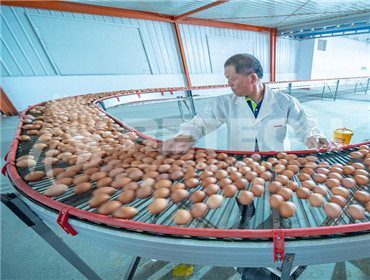
RETECH FARMING makes your chicken raising business much easier and more efficient,modern chicken cage improves your farming profits.

10 tips to ensure that your poultry farm runs smoothly and efficiently while always producing a quality product.
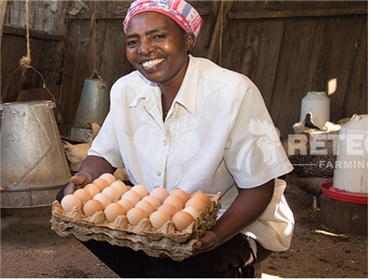
Modern poultry farms battery cage raising chicken in Kenya
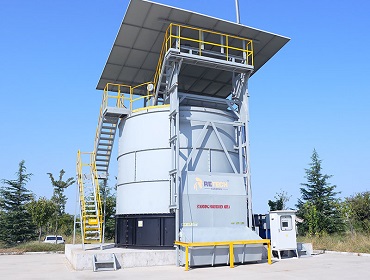
Sustainable treatment of manure in large-scale poultry farms in the Philippines: using vertical energy-saving fermentation tanks
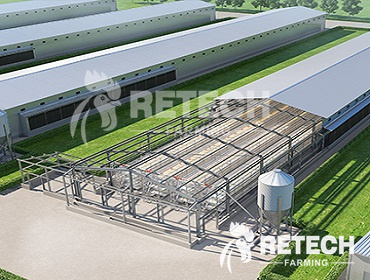
How should we build a chicken house?A comfortable and stable chicken coop should consider these 7 factors.
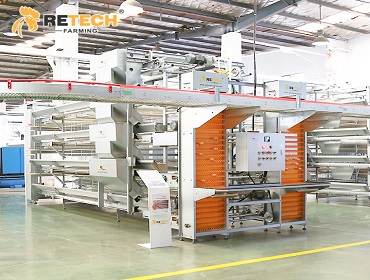
Thinking of using a layer cage system in the Philippines? Learn about the different types, materials, capacity, and how to choose the right chicken farming equipment for your poultry farm. Get expert advice now!





 Back to press release


