
Close search
 Published :
/
Published :
/ Posted by : Retech
The latest figures from the Philippine Statistics Authority tell a clear story: the country’s poultry industry isn't just recovering; it's powering ahead. With a 9.1% year-on-year increase in total production for 2025, reaching 3.21 million metric tons, the sector has cemented its role as the resilient backbone of Philippine agriculture.
But raw numbers only reveal the “what,” not the “how” or “why.” This growth is no accident. It is the result of converging trends in technology, consumer behavior, and supply chain evolution. Let’s look beyond the data to understand the forces driving this boom and what they mean for the future.
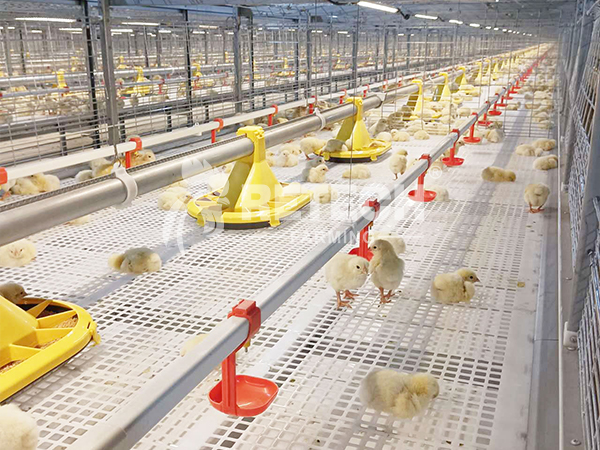
While the poultry sector has long been praised for its resilience, 2025’s performance points to proactive adaptation and strategic growth.
With inflation impacting household budgets, consumers have steadily shifted towards more affordable protein sources. Chicken and eggs offer unmatched value, driving consistent, demand-led growth. This isn't just about volume; it's about necessity shaping market dynamics.
Leading players have increasingly invested in integrated operations—from breeding farms and feed mills to processing plants. This control over the supply chain has buffered the industry against external shocks, such as global feed price volatility, ensuring more stable production and output.
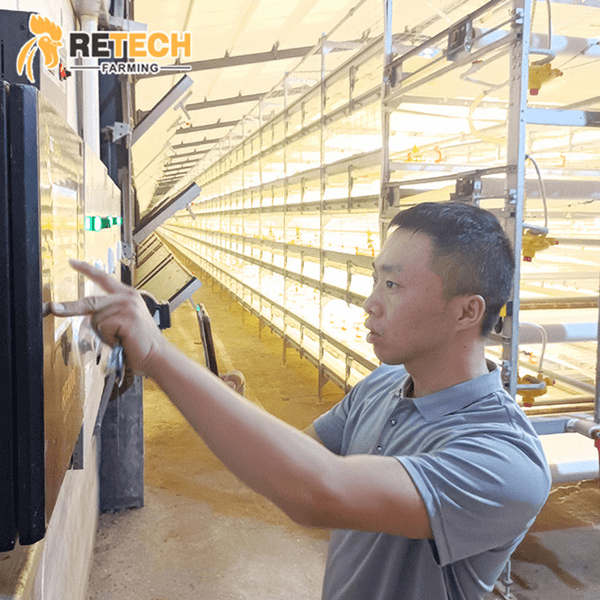
The adoption of precision farming techniques, improved biosecurity measures, and data-driven flock management is slowly increasing yields per bird and reducing mortality rates. This technological push is turning traditional farming into a more efficient, scalable enterprise.
The PSA data reveals not just overall strength, but important nuances in the market structure.
Chicken (71.2% of output) and chicken eggs (26.4%) form the industry's undisputed core. Their parallel growth—9.8% and 8.3% respectively—highlights a balanced expansion in both meat and egg production, catering to diverse consumption needs.
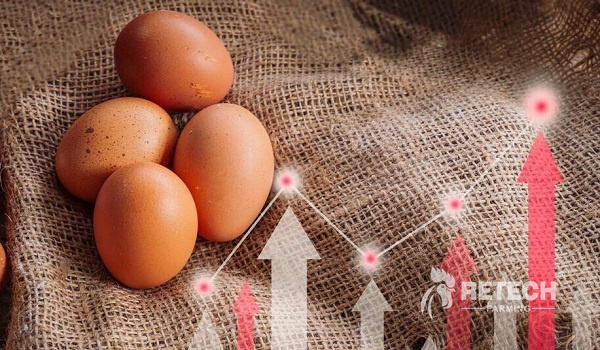
The modest performance of duck (slight growth) and duck eggs (-9.6% in Q4) underscores its status as a niche market. This divergence suggests that growth investments and consumer demand are overwhelmingly focused on the mainstream chicken value chain.
The steady quarter-on-quarter increases, even in seasonally adjusted terms, indicate that growth was sustained and systematic throughout the year, not reliant on a single seasonal peak.
Sustaining this momentum requires acknowledging and addressing persistent challenges.
Avian Influenza remains a constant threat, capable of crippling production. The industry’s biosecurity gains will be continually tested.
The cost of feed, which constitutes up to 70% of production expenses, is tied to global commodity markets. Future profitability is highly sensitive to any surge in corn or soybean prices.
Logistics bottlenecks and competition from cheaper imported products in certain segments could pressure local producers to continuously improve efficiency.
The foundation for continued growth in 2026 is solid. Demand is expected to remain stable, driven by population growth and economic necessity. However, the next phase of growth will likely be characterized by:
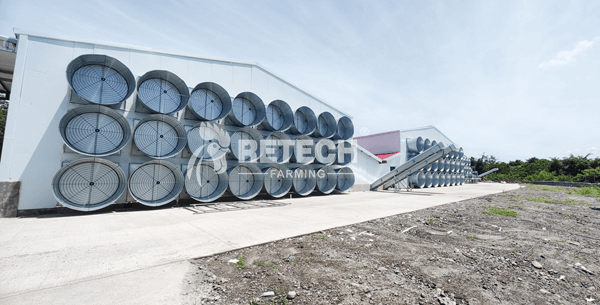
Larger, more efficient integrated farms may continue to gain market share.
Growth may increasingly come from processed, marinated, and ready-to-cook poultry products, moving beyond just raw volume.
Environmental and animal welfare considerations will gradually become more prominent in both production practices and consumer choices.
The Philippine poultry industry’s 2025 success is a textbook case of an agribusiness sector responding effectively to market signals and internalizing lessons from past disruptions. It has moved from being merely “resilient” to being strategically “dynamic.”
For stakeholders—from farmers and investors to policymakers—the task now is to support this transition towards a more efficient, technologically advanced, and sustainable industry. The 9.1% growth is not just a number to celebrate; it’s a benchmark for the ambitious future of Philippine poultry.
(Source: Analysis based on production data from the Philippine Statistics Authority.)
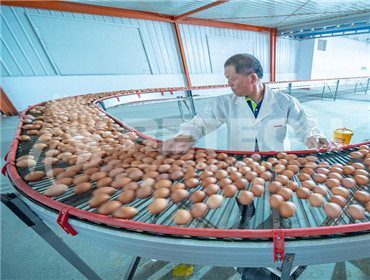
RETECH FARMING makes your chicken raising business much easier and more efficient,modern chicken cage improves your farming profits.

10 tips to ensure that your poultry farm runs smoothly and efficiently while always producing a quality product.
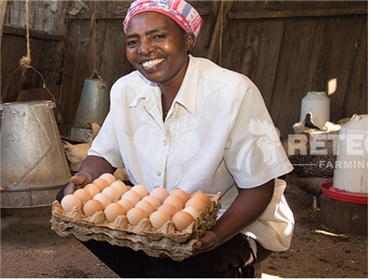
Modern poultry farms battery cage raising chicken in Kenya
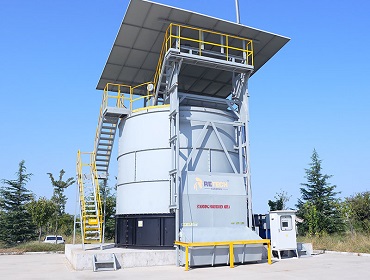
Sustainable treatment of manure in large-scale poultry farms in the Philippines: using vertical energy-saving fermentation tanks
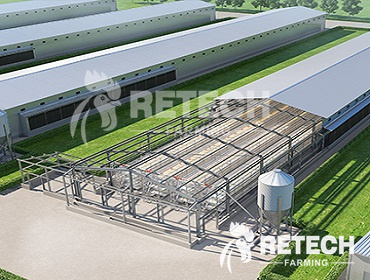
How should we build a chicken house?A comfortable and stable chicken coop should consider these 7 factors.
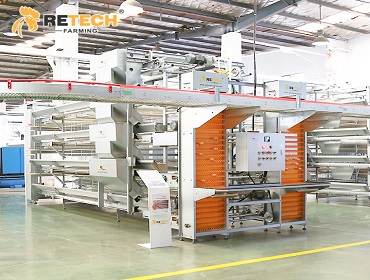
Thinking of using a layer cage system in the Philippines? Learn about the different types, materials, capacity, and how to choose the right chicken farming equipment for your poultry farm. Get expert advice now!





 Back to press release


