
Close search
 Published :
/
Published :
/ Posted by : Retech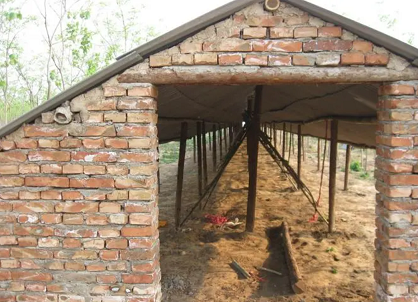
Currently, chickens are mostly raised in high-density houses, making the indoor environment the key factor that affects their production performance and health. The quality of this environment is closely linked to the design and construction of the chicken house. However, due to limitations in awareness, funding, and other factors, many have not fully recognized the importance of proper chicken house construction and are reluctant to invest adequately.
Many chicken houses remain too simple—for example, some have roofs made of a single layer of asbestos tiles—resulting in poor thermal insulation. This makes it difficult to maintain stable temperatures, causing stress to the chickens. In winter, heat easily escapes, leading to lower indoor temperatures. As a result, chickens eat more but convert feed less efficiently. Heating costs rise significantly to maintain comfortable temperatures. In summer, solar heat penetrates through the roof, raising indoor temperatures, causing chickens to eat less and reducing egg production. Cooling efforts then consume more energy, further increasing production costs.
Corrective Measures:
1. Apply scientific design principles.
Select materials and structures suited to the climate characteristics of each region to ensure the chicken house meets thermal insulation requirements.
2. Enforce strict construction standards.
Even the best design will fail if not properly executed. Use the materials specified in the design, build exactly according to the plan, and avoid cutting corners. Ensure there are no gaps between parts or structures, the roof is tightly sealed, and wall mortar joints are fully filled.
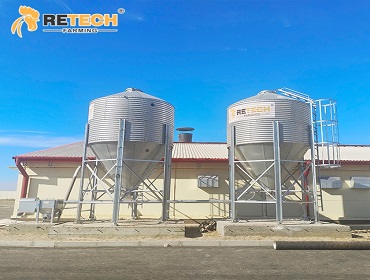
The air quality inside a chicken house has a direct impact on the health and growth of chickens. In actual production, many chicken houses fail to prioritize the proper design of an air exchange system. For example, some lack dedicated ventilation systems and rely solely on doors and windows to regulate air and temperature.
This approach often leads to insufficient ventilation, resulting in stale, polluted air. Inadequate airflow can increase the concentration of harmful gases such as ammonia, which negatively affects chicken health and productivity. On the other hand, excessive ventilation—especially during cold seasons—can cause sharp temperature drops and direct drafts, leading to colds or respiratory infections.
In summer, poor ventilation and low air circulation within broiler or layer houses can result in severe heat stress, affecting feed intake, egg production, and overall bird well-being.
Corrective Measures for Ventilation Issues:
1. Scientific Design of the Ventilation System
In winter, due to the significant temperature difference between the indoor and outdoor environments, natural ventilation can be effectively utilized. When designing a natural ventilation system, it's crucial to position the air inlet above the window and the exhaust outlet on the roof. This setup allows cold air to enter and sink; after warming, it rises and is expelled through the roof exhaust, ensuring adequate air exchange while preventing direct cold drafts on the birds. The size of the exhaust outlets should be sufficient to meet winter ventilation requirements.
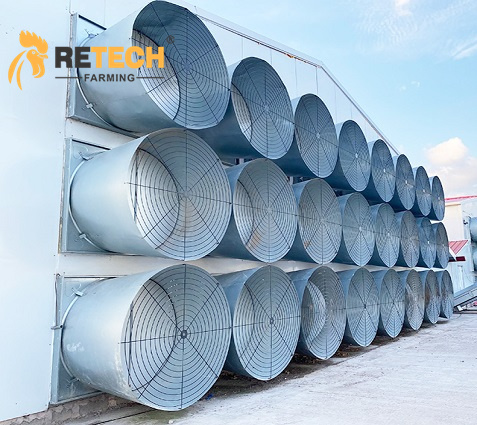
In summer, the small temperature differential makes natural ventilation less effective. Therefore, a wet curtain-ventilation system is recommended. This system involves installing evaporative cooling pads (wet curtains) and exhaust fans to force air movement and reduce the temperature inside the chicken house.
2. Strengthen Management of the Ventilation System
Ensure the system operates efficiently and that all components are kept clean and sanitary. Installing filters and air-cleaning devices at the air inlets can improve indoor air quality. Each fan should have an individual control unit to regulate usage based on seasonal or environmental conditions. For instance, all fans can operate in summer, while only some may be needed in cooler months. In naturally ventilated houses, fans can be used only when needed. If using negative pressure ventilation, ensure that the chicken house is well-sealed to maintain effective airflow control.
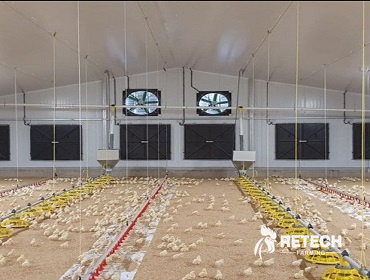
Humidity in the chicken house often interacts with other factors such as temperature and airflow to impact the health and performance of chickens. Low temperatures combined with high humidity increase cold stress, while high temperatures and high humidity intensify heat stress.
In practice, producers often focus more on temperature and tend to overlook the effects of humidity on the flock. Neglecting moisture-proof design and management can result in blocked drainage systems and excessive indoor humidity—particularly in winter, when houses are tightly closed to retain heat. This high humidity can lead to damp litter, increased ammonia levels, and a higher risk of disease, ultimately affecting the health and growth of the chickens.
Corrective Measures for Managing Humidity in Chicken Houses
1.Raise Awareness
Recognize the significant impact that humidity—especially high humidity—can have on poultry health, performance, and overall production efficiency.
2.Enhance Moisture-Proof Design
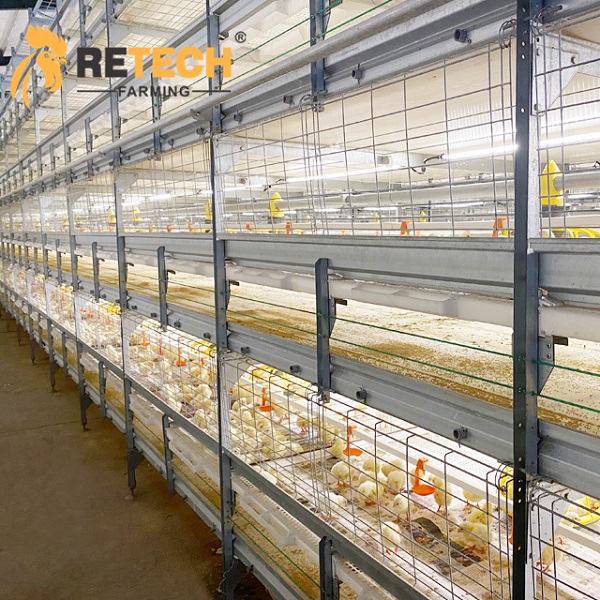
Select a high, dry location when constructing the chicken house.
Install moisture-proof layers at the base and other key structural areas.
Design and maintain an effective drainage system to prevent water accumulation.
3.Improve Moisture Management
Regularly check and clean the drainage system to avoid blockages.
Manage water spillage from drinkers and maintain dry litter conditions.
4.Ensure Adequate Ventilation
Proper ventilation helps regulate humidity by removing excess moisture from the air.
In closed systems, use mechanical ventilation to control both temperature and humidity levels effectively.
Chickens have a high metabolic rate and relatively weak disease resistance. Coupled with high stocking densities, this makes them highly susceptible to the rapid spread of disease. Therefore, maintaining strict sanitation management in the chicken house is critically important. During the production cycle, the chicken house must be regularly cleaned and disinfected. After each flock is removed, a thorough cleaning, flushing, and disinfection process is essential.
To facilitate these tasks, the internal surfaces of the chicken house should be designed to be simple, flat, smooth, and water-resistant. Such surfaces are easier to clean and disinfect effectively. However, in an effort to cut construction costs, some chicken farms neglect proper surface treatment. For instance, interior walls may remain unplastered, exposing rough brickwork; ceilings may be finished with reed mats or straw; and floors may not be hardened. These issues not only complicate cleaning and disinfection but also negatively affect the house's moisture resistance and thermal insulation.
Corrective Measures:
1.Roof Treatment
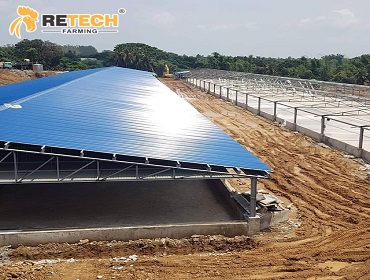
Depending on the roof structure and materials—whether it's a concrete, brick flat roof, arched roof, or gable roof—the interior surface should be finished with cement mortar to create a smooth surface. If the roof is made of water-resistant materials such as reed mats, straw, or foam boards, install an interior lining made of materials like gypsum board or color steel sheets. This creates a flat, smooth surface that facilitates washing, cleaning, and disinfection.
2.Wall Treatment
The interior walls should be coated with a layer of waterproof plaster. A suitable material, such as cement-sand mortar mixed with waterproofing agents, should be used to create a smooth, durable, and washable surface.
3.Floor Treatment
The floor must be hardened using concrete or another suitable material. This not only improves durability but also enhances the ease of cleaning and disinfection, and contributes to better moisture and disease control.
The cost of building a chicken house represents a significant portion of the total investment in constructing a chicken farm. Due to limited funds and the desire to raise more chickens for higher income, some farms build chicken houses that are too small. This results in overcrowding, with high stocking density and insufficient feeding space, leading to poor indoor environmental quality.
During the rearing period, chickens experience poor growth and development, fail to reach standard weights, exhibit uneven flock sizes, and have weakened immunity, which negatively affects the quality of replacement hens. During the laying period, stress levels increase significantly, resulting in reduced egg production and a higher number of broken eggs.
Although the flock size may be larger, breeding efficiency declines, making the approach counterproductive.
Corrective Measures:
1.Scientifically calculate the area of the chicken house.
Different types of chickens at various ages, feeding methods, and stocking densities require different space allocations. Once the number of chickens is determined, select an appropriate stocking density (space requirements at the time of release) based on the feeding method chosen.
2.Match the number of chickens to the chicken house area.
After determining the chicken house size, arrange the number of chickens according to the required stocking density for the specific feeding method.
3.Avoid arbitrarily increasing the flock size or reducing the chicken house area.
At the same time, ensure there are enough feeding and drinking stations. Overcrowding or insufficient access to feed and water will negatively impact the growth, uniformity of the flock, and egg production.
The waste generated from chicken farms mainly consists of feces and dead chickens, both of which harbor large quantities of pathogenic microorganisms and represent the largest sources of pollution. Unfortunately, many farms neglect proper storage and treatment of this waste. There is often no systematic planning or designated area for feces storage and treatment; instead, waste is haphazardly piled up without any harmless treatment measures.
As a result, the air quality in and around the farm deteriorates significantly. Harmful gases accumulate at high levels, dust becomes airborne, sewage leaks occur, and maggots and flies proliferate, causing unbearable odors. Furthermore, the soil and nearby water sources suffer serious contamination. Pathogens—including bacteria, viruses, parasite eggs—and vector insects are spread extensively, leading to mutual pollution between the chicken farm and its surrounding environment.
In addition, dead chickens are often improperly disposed of—some left inside the chicken house, others discarded outside or by the roadside—with no centralized, controlled area for storage or treatment. The absence of harmless treatment of carcasses contributes further to the widespread dissemination of pathogens, posing significant health risks to the flock, farm workers, and neighboring communities.
Corrective Measures:
1.Establish the Right Mindset and Prioritize Waste Treatment
It is crucial to recognize the importance of proper waste management. Some mistakenly believe that waste treatment is a financial burden or that directly selling dead chickens can generate extra income. This is a dangerous misconception. Chicken feces and dead birds are the largest sources of pollution on the farm. Improper handling not only severely contaminates the surrounding environment and poses public health risks but can also threaten the sustainability and reputation of the poultry operation. Moreover, it is illegal to sell dead livestock or poultry without first undergoing proper harmless treatment.
2.Scientifically Plan Waste Storage and Treatment Areas
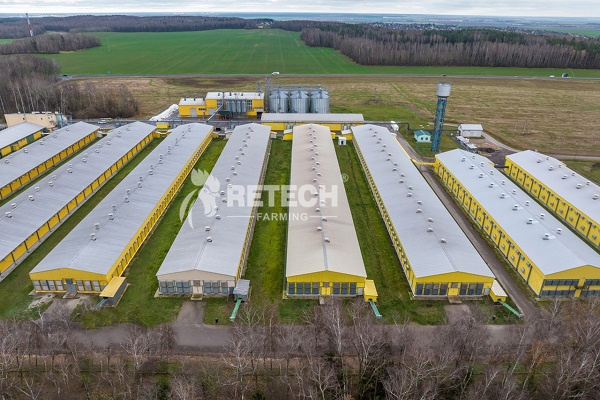
Designate specific, well-organized zones on the farm for collecting and storing waste to prevent contamination and facilitate effective treatment.
3.Install and Operate Proper Treatment Facilities
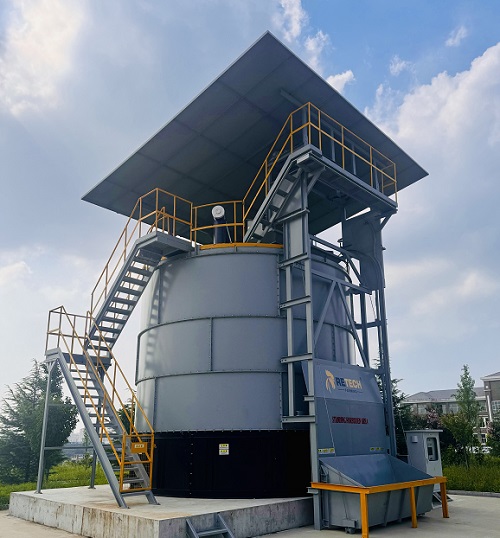
Implement appropriate waste treatment systems such as composting, biogas digesters, or other harmless processing methods to ensure that waste is safely managed and environmental impact is minimized.
Some chicken farms underestimate the importance of sewage treatment or avoid it due to perceived high costs. Instead of implementing proper multi-level filtration and sedimentation systems, they often dig a large pit downstream of the drainage ditch. During heavy rains, these pits overflow, causing sewage to spill over or discharge directly into nearby canals, rivers, or lakes. This practice severely pollutes water sources, the farm area, and the surrounding environment, while also jeopardizing the health of the chickens on the farm.
Corrective measures:
1.Establish separate rainwater and sewage discharge systems. Rainwater should be discharged directly, while sewage must enter a proper treatment system.
2.Adopt dry manure removal technology to reduce sewage discharge.
3.Strengthen sewage treatment by building a treatment system located away from the farm’s water sources. Sewage should only be discharged after meeting treatment standards. The system can include a collection sedimentation tank → multi-stage classification pool or biogas treatment → treated sewage or biogas → external discharge or discharge into fish ponds. This approach not only treats waste effectively but also recycles it into useful resources like biogas and biogas residue, enhancing the efficiency of integrated farming.
Website: www.retechfarming.com
Facebook: @retechfarmingchickencage 100k Followers
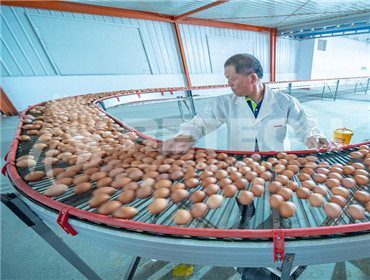
RETECH FARMING makes your chicken raising business much easier and more efficient,modern chicken cage improves your farming profits.
10 tips to ensure that your poultry farm runs smoothly and efficiently while always producing a quality product.
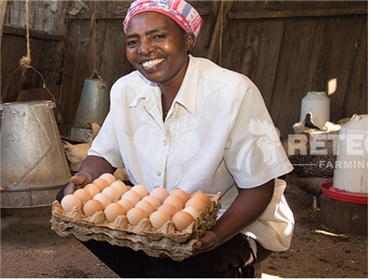
Modern poultry farms battery cage raising chicken in Kenya
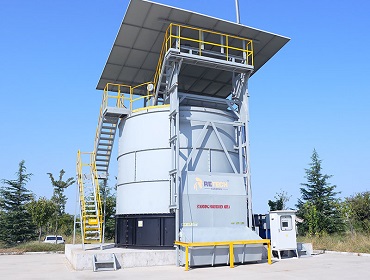
Sustainable treatment of manure in large-scale poultry farms in the Philippines: using vertical energy-saving fermentation tanks
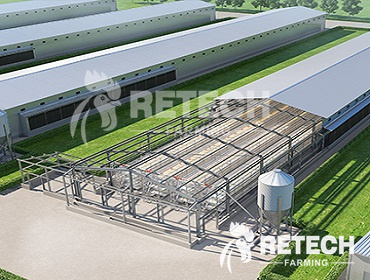
How should we build a chicken house?A comfortable and stable chicken coop should consider these 7 factors.
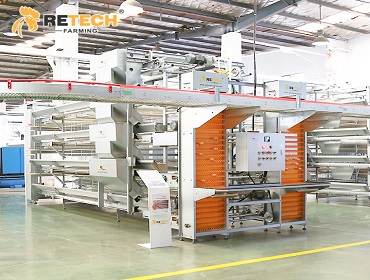
Thinking of using a layer cage system in the Philippines? Learn about the different types, materials, capacity, and how to choose the right chicken farming equipment for your poultry farm. Get expert advice now!





 Back to press release


