
Close search
 Published :
/
Published :
/ Posted by : Retech
The selection of the site must take into account the natural and social conditions of the site, and consider the possibility of development. This article will introduce how to choose the site for a laying hen house from 5 aspects.
✅Topography
✅Soil
✅Water source
✅Geography and Transportation
✅Power supply
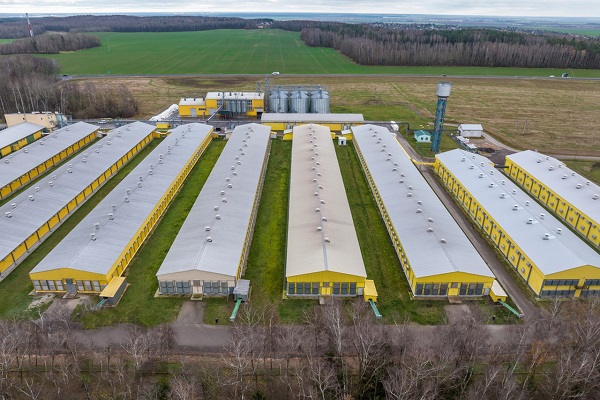
Elevation & Drainage: Pick a high, dry spot with good sunlight and drainage. Avoid low areas where water collects, as they stay damp, attract pests, and make ventilation difficult.
Slope: Flat or slightly sloped land (1%–3%) is best. If on a slope, face it toward the sun and protect it from strong winds. Avoid steep slopes (over 25%).
Avoid Mountains & Valleys: Don’t build on hilltops or deep valleys—choose a sunny, mid-slope area instead.
Flat & Open: A level, spacious site makes it easier to arrange chicken houses and equipment efficiently.
Avoid Odd Shapes: Irregular or narrow plots waste space, increase fencing costs, and make farm management harder.
Wind Protection: Stay away from mountain passes or open valleys facing northwest—cold winter winds can make heating difficult.
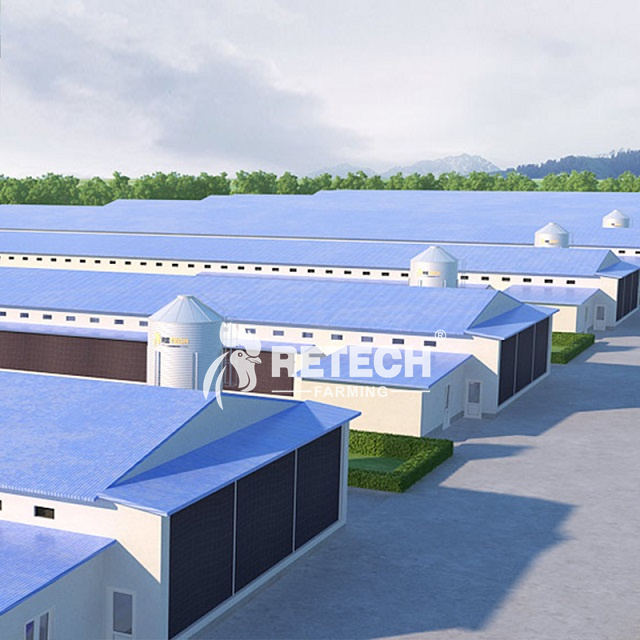
Size Matters: The farm should fit your current needs but allow for future expansion.
No Blocking Buildings: Keep the area clear of tall structures to ensure good airflow, sunlight, and disease control.
The physical, chemical, and biological properties of the soil not only influence air quality at the site but also affect the land’s ability to naturally purify waste and maintain hygiene. Therefore, careful attention should be given to soil quality when selecting a location for a poultry farm.
Pollutants and decomposition products can easily penetrate into groundwater through the soil, causing water pollution.
Poor drainage can also easily breed bacteria and parasites.
Well-drained soil dries quickly, which prevents waste accumulation and odor.
Damp soil is prone to produce harmful gases such as ammonia and hydrogen sulfide after being contaminated, polluting the air in the site.
Avoid soil with germs, chemicals, or heavy metals.Contaminated soil can pose long-term health risks to livestock and degrade the biosecurity of the farm.
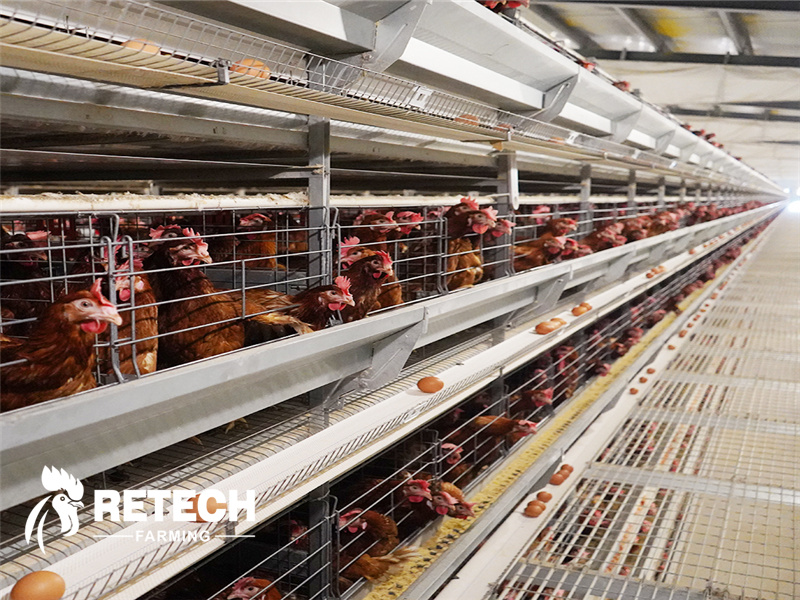
The soil must support heavy farm buildings without sinking or shifting.
Stable soil keeps chicken houses and equipment secure.
Good soil means:
✅Fewer disease risks
✅Better air quality
✅Less pollution
✅Stronger farm buildings
Pick the right soil to keep your chickens and your farm thriving!
Water is vital for your chickens—it helps them digest food, stay hydrated, and regulate body temperature. It’s also used for cleaning, sanitation, and farm operations. But not just any water will do. Poor-quality water can make chickens sick and hurt egg production.
Principles for Selecting a Water Source:
The source must provide enough water to meet the current and future needs of livestock, personnel, cleaning, firefighting, and irrigation.
The water must meet hygiene and safety standards to ensure the health of the flock.
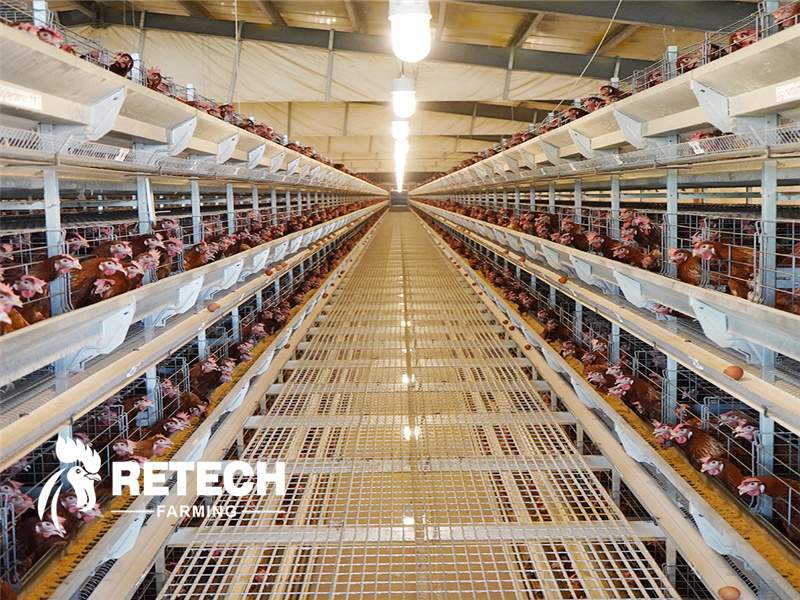
The water source should be conveniently located and easy to use.
The source should be located in an area that supports sanitary protection and prevents contamination.
Choosing a reliable, high-quality water source is fundamental to efficient poultry farm management and sustainable production.
✅Healthier chickens – Clean water means fewer diseases.
✅Better egg production – Hydrated hens lay more eggs.
✅Easier farm management – Reliable water = smoother operations.
✅Choose a safe, dependable water source—it’s the key to a successful chicken farm!
Choosing the right spot for your chicken farm is just as important as caring for your birds. You want to protect your farm from pollution while also being mindful of your neighbors. Here’s what to keep in mind:
✔Keep Your Distance from Homes & Other Farms
500-1,000 meters from houses & other poultry farms
1,000+ meters from commercial chicken farms (if you’re a breeder)
✔ Stay Away from Pollution
Avoid: Sewage areas, factories, chemical plants, tanneries, and slaughterhouses.
These can contaminate your farm with chemicals or diseases.
✔ Smart Road Access
Stay 400m from highways and 100-200m from smaller roads (reduces disease risks).
But… Make sure you still have good truck access for:
✔ Be Close to What You Need

✅ Healthier chickens – Less pollution, fewer sickness risks.
✅ Happy neighbors – No complaints about smells or noise.
✅ Lower costs – Shorter trips for feed and sales save money.
Smart location choices : A successful, long-lasting farm!
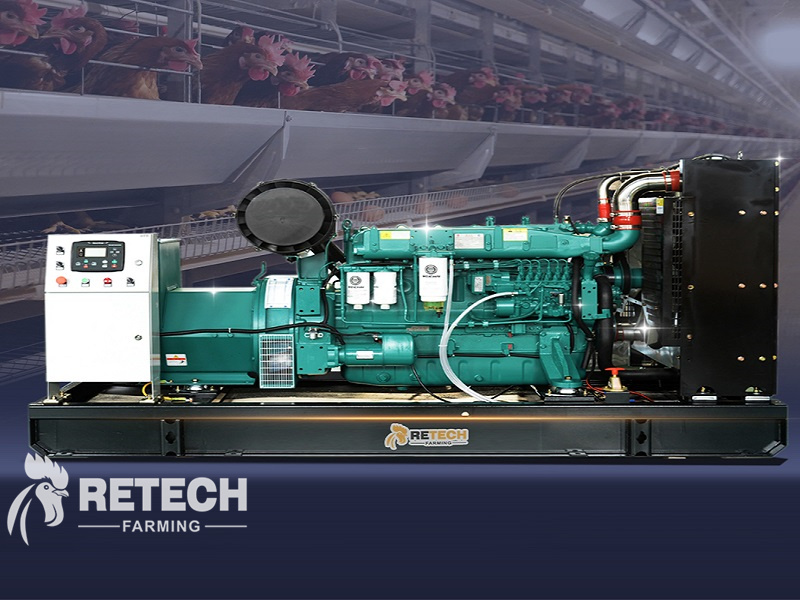
A reliable electricity supply is crucial for your chicken farm’s success. Power keeps essential systems running, including:
✔ Lighting (for proper growth & egg production)
✔ Ventilation & temperature control (prevents heat stress)
✔ Automatic feeders & waterers (ensures birds never go hungry)
✔ Egg collection & processing systems
✅ Power outages = Big problems: Without electricity, your chickens could overheat, go without water, or stop eating—hurting their health and egg production.
✅ Solution: Always have a backup generator or standby power system, especially for medium/large farms.
Retech farming is a leading poultry farming equipment manufacturer, providing intelligent farming solutions to help you achieve a successful farming business.
Website: www.retechfarming.com
Facebook: @retechfarmingchickencage 100k Followers
RETECH FARMING makes your chicken raising business much easier and more efficient,modern chicken cage improves your farming profits.
10 tips to ensure that your poultry farm runs smoothly and efficiently while always producing a quality product.
Modern poultry farms battery cage raising chicken in Kenya
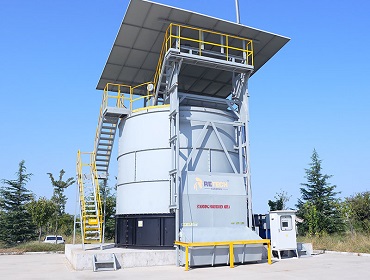
Sustainable treatment of manure in large-scale poultry farms in the Philippines: using vertical energy-saving fermentation tanks
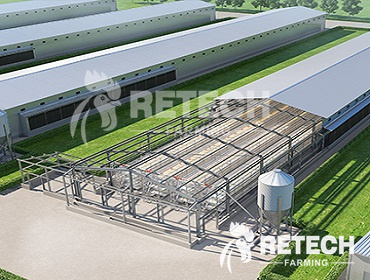
How should we build a chicken house?A comfortable and stable chicken coop should consider these 7 factors.
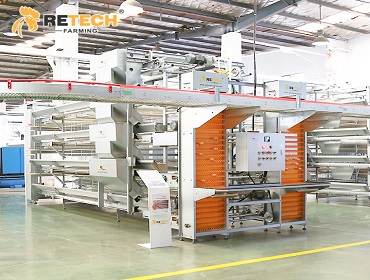
Thinking of using a layer cage system in the Philippines? Learn about the different types, materials, capacity, and how to choose the right chicken farming equipment for your poultry farm. Get expert advice now!





 Back to press release


