
Close search
 Published :
/
Published :
/ Posted by : Retech
In the field of layer poultry farming, uniformity is one of the important indicators to measure the health status and production performance of the flock. This is directly related to the length of the peak egg-laying period, egg weight, eggshell quality and overall farming efficiency of layers. Follow Retech Farming to discuss the definition, importance and effective control of uniformity of laying hens.
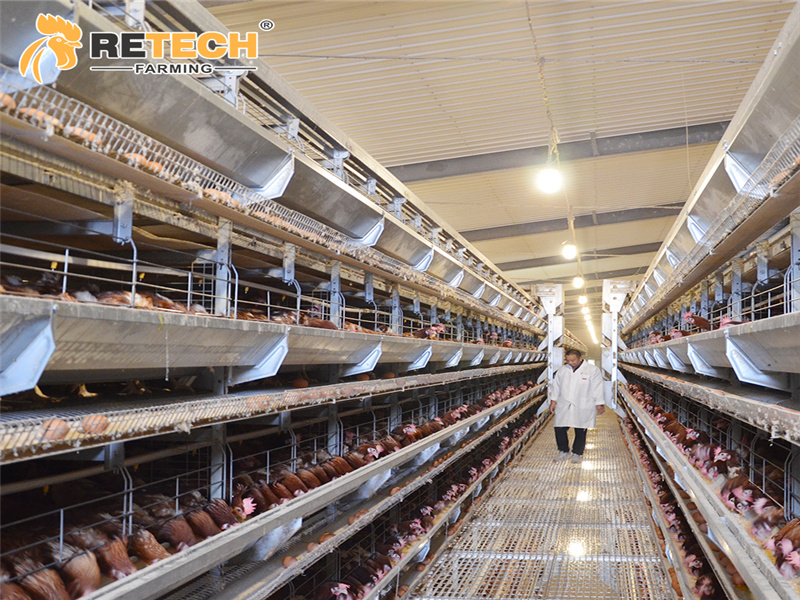
The uniformity of laying hens usually refers to the uniformity of the weight distribution of individuals in the flock. Ideally, the weight of the flock should fluctuate around the standard weight, and the fluctuation range should be controlled within ±10%. According to different uniformity levels, we can divide the flock into three levels.
Excellent (uniformity ≥ 90%): When the uniformity of the flock reaches or exceeds 90%, it means that the individual development in the flock is very consistent and the weight difference is small. Such a flock can last for 10 months or more during the peak egg-laying period, bringing stable benefits to farmers.
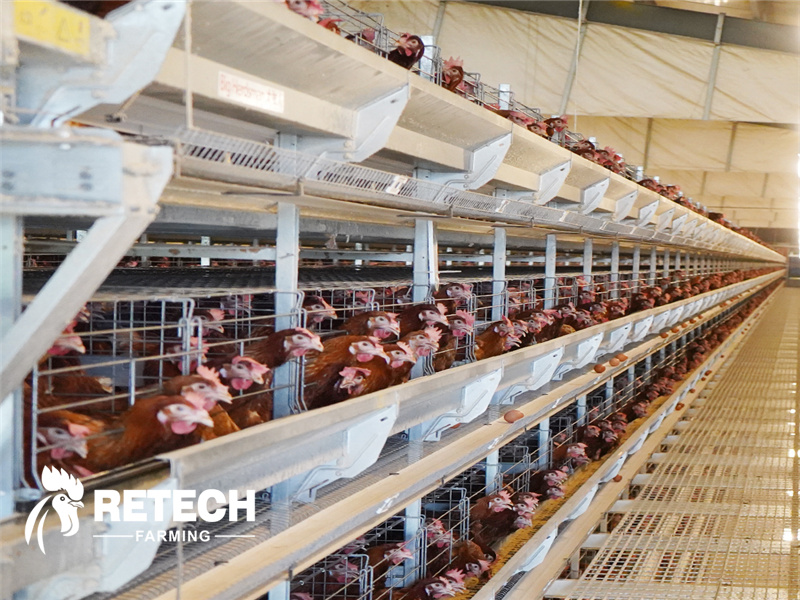
Good (uniformity 86-90%): Although slightly inferior to the excellent level, the flock with uniformity between 86% and 90% still shows good production performance. Their peak egg-laying period can usually last for more than 9 months, providing farmers with considerable production.
Qualified (uniformity 80-85%): Although chickens with a uniformity of 80%-85% can meet basic production requirements, their peak egg-laying period is relatively short, generally only lasting more than 6 months. Therefore, farmers need to pay more attention to the management and nutritional supplementation of such chickens to improve their production performance.
Uniformity is important because it is closely related to the production performance of layers.
First, chickens with high uniformity can maintain good synchronization in feeding, drinking water, resting, etc., reducing resource waste and competitive pressure caused by individual differences.
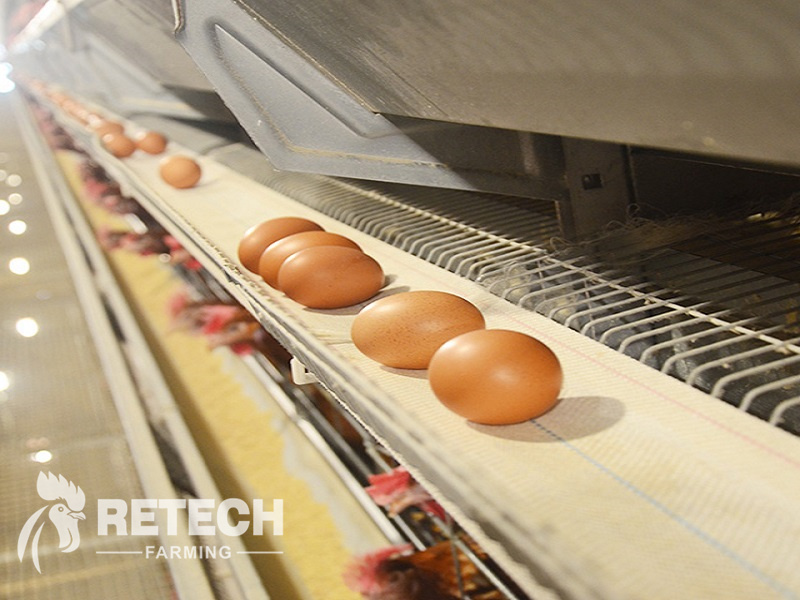
Second, chickens with high uniformity can better utilize nutrients during egg-laying and produce larger and higher-quality eggs.
Finally, chickens with high uniformity are more likely to implement unified management and epidemic prevention measures, reducing the risk of disease transmission.
1. Choose modern poultry farming equipment: chicken layer cages.
Retech produces A-type or H-type battery cages for egg laying hens, which have large cage space and can house 4-6 chickens in each cage, which is conducive to the growth and development of chickens. The automated feeding and drinking water system replaces artificial feeding, which has advantages in timeliness and feed uniformity, and provides the best raising environment for layers.
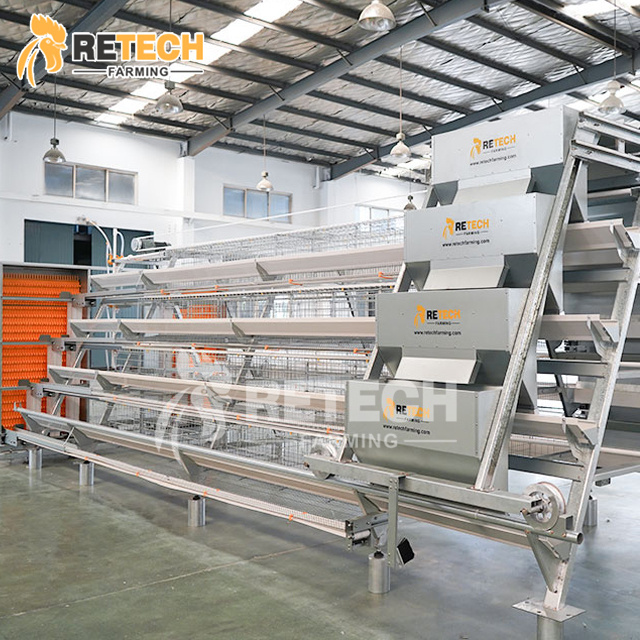
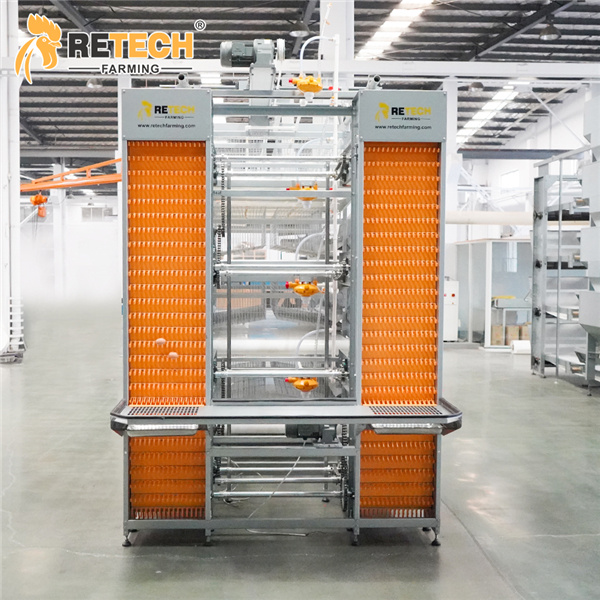
We have a specific article describing the difference between A-type layer cage and H-type layer cage, and how to choose battery cages for laying hens? Click to learn about the specific types of layer cages.
2. Pick out weak chickens.
During the weighing and epidemic prevention process of the flock, pick out weak chickens in time for separate feeding, and cooperate with independent nutritional formulas and health care plans, which is conducive to catching up with weight and improving the uniformity of the whole flock.
3. Observe the quality of eggs regularly.
Depending on the size of the eggs and the quality of the eggshells, adjust the feed ratio over time and add the nutrients needed by the flock if necessary.
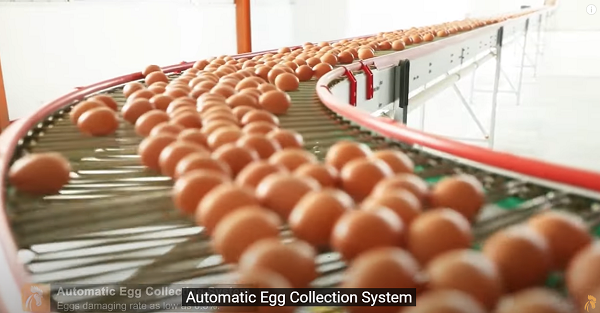
The uniformity of laying hens is the cornerstone of high yield and stability. Farmers should attach great importance to the uniformity management of the flock, start breeding by adopting modern layer cages, weigh them regularly, and reasonably adjust the feeding management plan. Improve feed utilization and ensure that the flock maintains a high uniformity level, so as to achieve the goal of high and stable production.
Website: www.retechfarming.com
Facebook: @retechfarmingchickencage 100k Followers
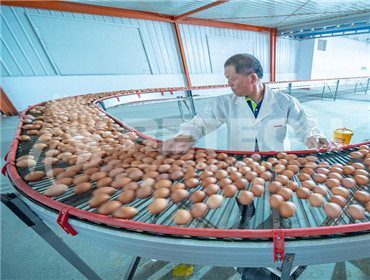
RETECH FARMING makes your chicken raising business much easier and more efficient,modern chicken cage improves your farming profits.

10 tips to ensure that your poultry farm runs smoothly and efficiently while always producing a quality product.
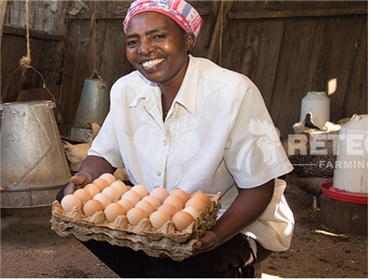
Modern poultry farms battery cage raising chicken in Kenya
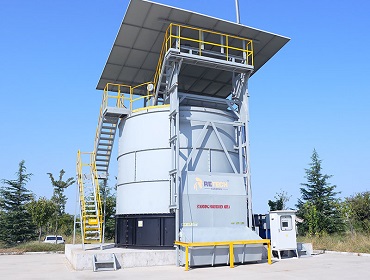
Sustainable treatment of manure in large-scale poultry farms in the Philippines: using vertical energy-saving fermentation tanks
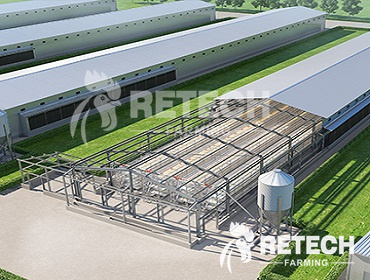
How should we build a chicken house?A comfortable and stable chicken coop should consider these 7 factors.
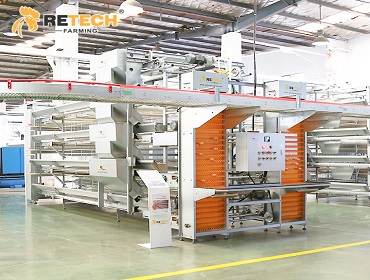
Thinking of using a layer cage system in the Philippines? Learn about the different types, materials, capacity, and how to choose the right chicken farming equipment for your poultry farm. Get expert advice now!





 Back to press release


