
Close search
 Published :
/
Published :
/ Posted by : Retech
The growth cycle of broilers is 38-45 days (the slaughter weight varies in each region). How to ensure that broilers grow quickly and have a high survival rate? It is important to effectively manage the broiler house, control the temperature and humidity in the broiler house, and create a suitable growth environment.
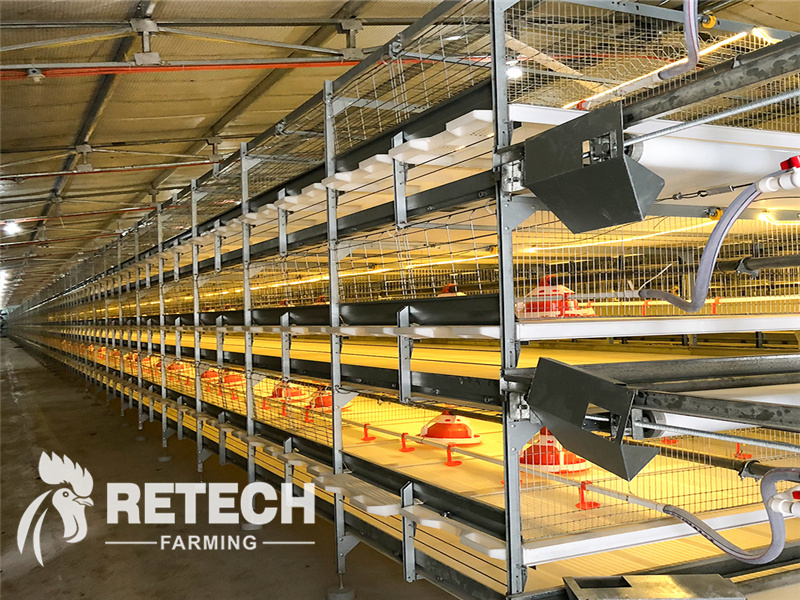
Humidity refers to the water content formed by the evaporation of water in the air. The humidity level in the chicken house has an important impact on the growth of broilers. Certain humidity can make the nutrients in the chicken house sufficient, which is conducive to the growth of broilers; while too high or too low humidity will affect the health and growth of broilers.
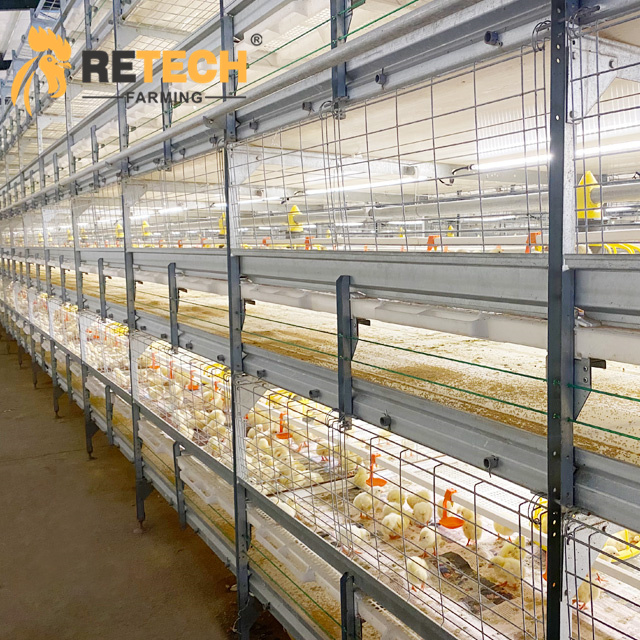
Generally speaking, during broiler breeding, the relative humidity of the broiler house should be controlled between 60% and 70%. In fact, the choice of humidity standard will be affected by factors such as external temperature, ventilation conditions, and stocking density. Therefore, the specific humidity standard should be determined according to the local climate environment and the actual situation of the chicken house.
Lower than 45% will cause excessive dust in the chicken house, and the respiratory system of the chickens will be stimulated, which is easy to induce respiratory diseases. When the humidity exceeds 70%, the litter is easy to harden and mold, and it is easy to induce intestinal diseases such as coccidia.
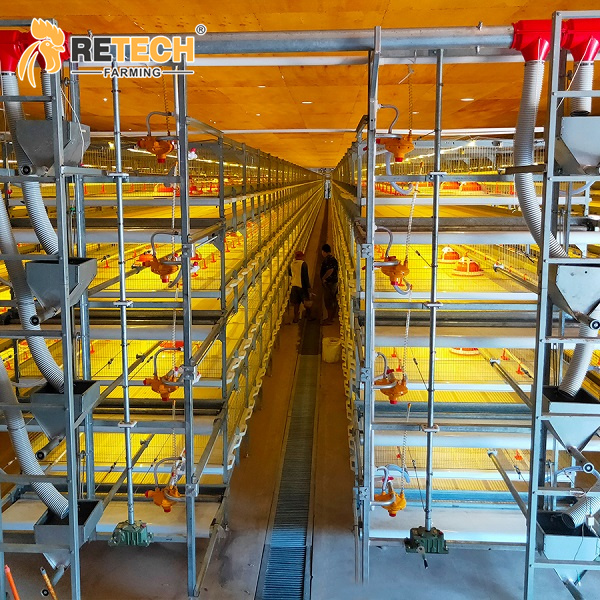
If the stocking density is too high, the air humidity in the chicken house will be too high, affecting the health and growth of the broilers. The number of broiler houses should be designed according to the land size, and a reasonable breeding plan should be designed. Listen to the advice of the breeding team, choose suitable broiler breeding equipment, and avoid high-density breeding.
For ground broiler breeding, one house can breed 10,000-30,000 broilers.
With a modern chain-type broiler cage system, one house can breed 60,000-80,000 chickens in the Philippines.
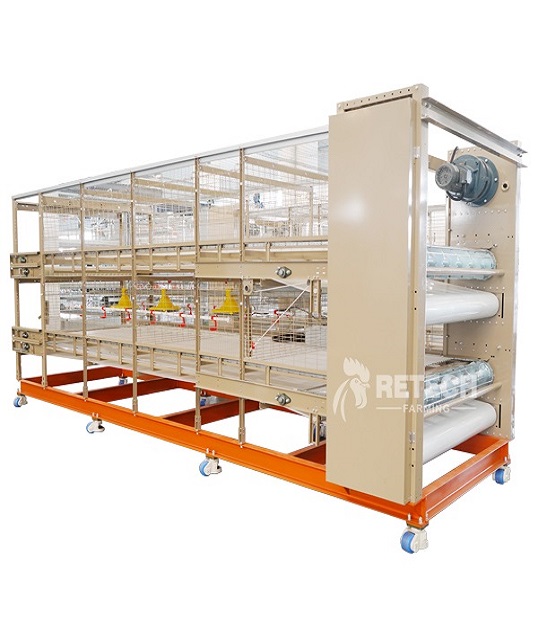
Provide your land size to check the breeding scale.
When it comes to ventilation of chicken houses, in areas where breeding is common, such as the Philippines and Indonesia, tunnel ventilation systems are selected to ensure the appropriate temperature and humidity in the chicken house, especially in closed chicken houses. Good ventilation can reduce the water vapor content in the air in the chicken house and maintain appropriate humidity.
When the amount of oxygen is sufficient, the water vapor content in the air can be reduced, which is beneficial to the growth of broilers.
Necessary cleaning and disinfection can effectively prevent the growth of bacteria and reduce moisture generation.
Timely cleaning can avoid excessive moisture and help maintain the relative humidity in the chicken house.
Open chicken house
How to achieve ventilation effect in a closed chicken house?
In the broiler farming industry, when starting to plan broiler poultry farming business, farmers prefer closed chicken houses with tunnel ventilation systems. It is more adaptable to hot and humid climates. The tunnel ventilation system includes: fans, wet curtains, ventilation windows, and air inlets. It can provide suitable temperature and humidity for the chicken house when it is in operation.
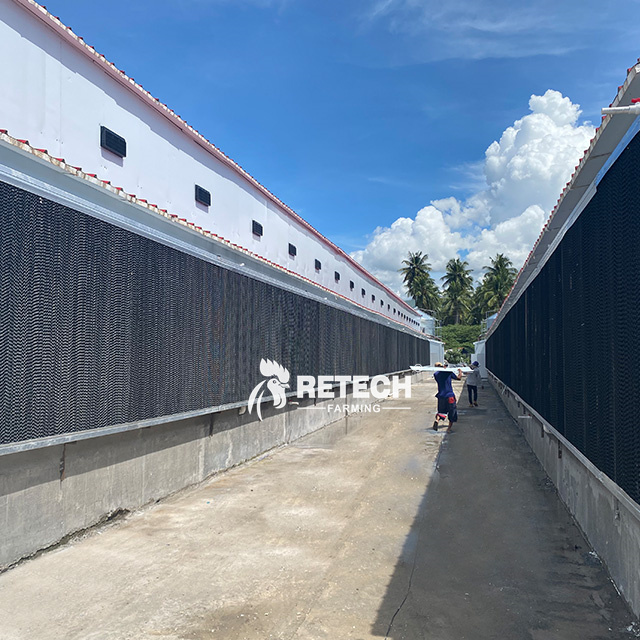
Advantages of tunnel ventilation system
1. Remove excess moisture in the chicken house;
2. Reduce heat stress;
3. Provide oxygen and limit the accumulation of harmful gases such as ammonia and carbon dioxide;
4. Reduce dust in the chicken house to avoid intestinal diseases in chickens;
How much does a chicken house with a tunnel ventilation system cost?
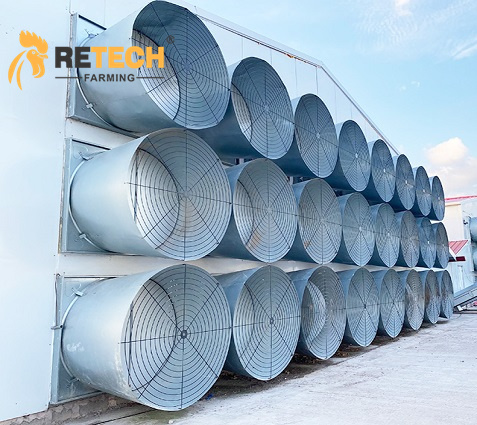
Retech Farming will design a complete broiler farming plan for you based on your breeding quantity and land size. Whether you are building a new chicken house or expanding the scale of breeding, you can consult the price of the tunnel ventilation system.
Website: www.retechfarming.com
Facebook: @retechfarmingchickencage 100k Followers
Whatsapp: +8618561818859
Email: info@retechfarming.com
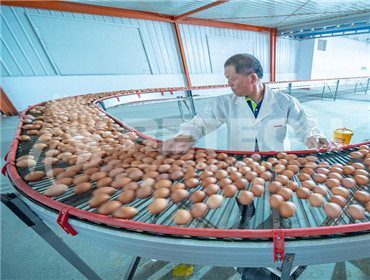
RETECH FARMING makes your chicken raising business much easier and more efficient,modern chicken cage improves your farming profits.

10 tips to ensure that your poultry farm runs smoothly and efficiently while always producing a quality product.
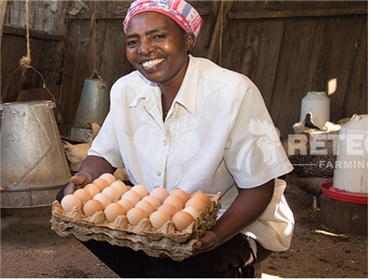
Modern poultry farms battery cage raising chicken in Kenya
Sustainable treatment of manure in large-scale poultry farms in the Philippines: using vertical energy-saving fermentation tanks
How should we build a chicken house?A comfortable and stable chicken coop should consider these 7 factors.
Thinking of using a layer cage system in the Philippines? Learn about the different types, materials, capacity, and how to choose the right chicken farming equipment for your poultry farm. Get expert advice now!





 Back to press release


