
Close search
 Published :
/
Published :
/ Posted by : Retech
This is related to the chicken farm environment, the breed and age of layer chickens, feeding and drinking water, lighting, molting, the environment in the chicken house and the laying hen stocking density.
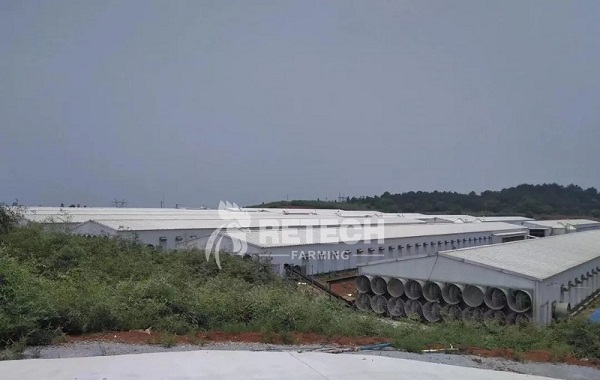
Some chicken farms do not pay attention to site selection and are very random. Some are built in the courtyard of a home, in a village, or close to villages and residential areas, or near pollution sources, causing mutual contamination;
The chicken farm is not properly planned and laid out, and various types of poultry are mixed together without attention to isolation;
During the design process, the greening and manure treatment of chicken farms were not fully considered or even not taken into consideration, resulting in poor air quality in the farm area, high content of harmful gases, flying dust, random stacking of feces, sewage flowing everywhere, serious pollution of soil and water sources, large-scale spread of bacteria, viruses, parasite eggs and vector insects, and mutual pollution between farms and settlements.
Different breeds of chickens exhibit varying egg-laying abilities due to their genetic makeup and purpose.
Understanding the specific breed and its purpose can help chicken farmers align their management practices with production goals, ensuring the best outcomes for egg yield, bird health, and overall efficiency.
The egg-laying period of a layer chicken is 100 weeks, and the egg-laying period is generally 18 to 100 weeks. After the egg-laying period, the egg production of layer chickens will decrease due to biological factors. This decrease may be manifested as:
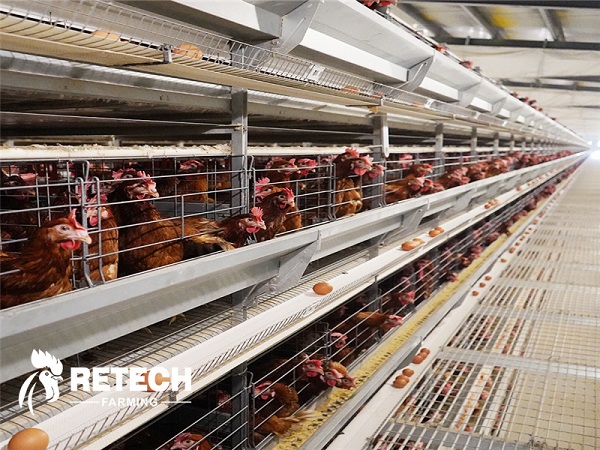
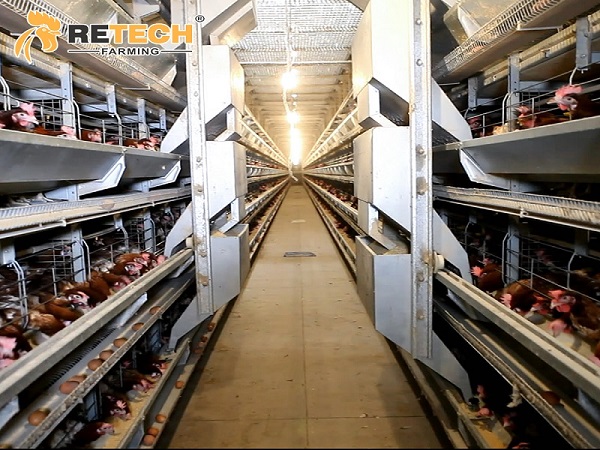
Long-term inadequate nutrition or water can lead to chronic health issues, including reduced reproductive performance, weak bones, or susceptibility to disease, further impacting the productivity of the flock.
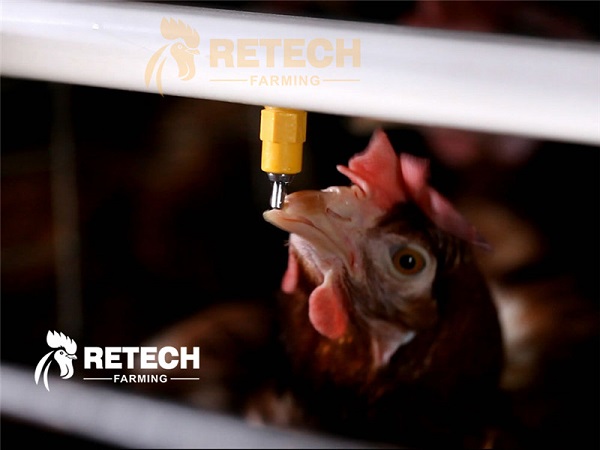
Providing high-quality, balanced feed and ensuring a constant supply of clean, fresh water according to the layer chickens’ needs is essential for the welfare of the layer chickens and optimal egg production.
5.Lighting
Lighting plays a vital role in the health, behavior and egg-laying performance of laying hens. The main effects are as follows:
Egg-laying stimulation:
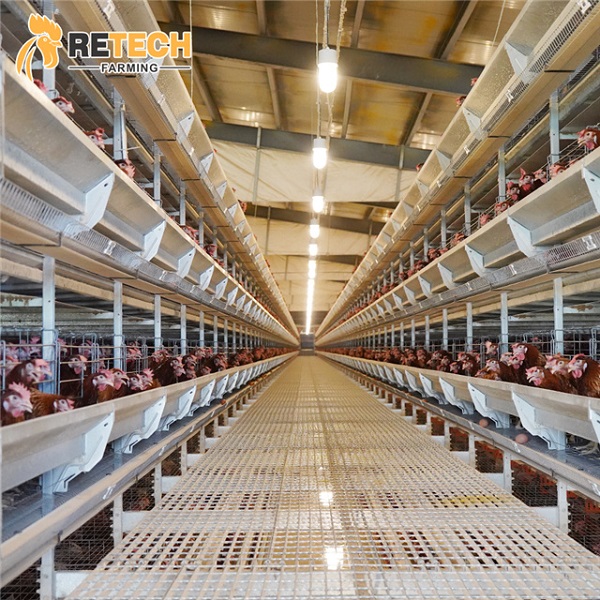
By carefully managing the type, intensity and duration of light, poultry farmers can significantly improve the health and productivity of layer chickens.
During the molting period (feather shedding and regrowth), layer chickens will temporarily stop laying eggs as their energy is diverted to feather regrowth. Make sure the chickens get extra protein and care during this phase.
The construction of the chicken house is not scientific, the insulation performance is poor, and the temperature control and ventilation equipment are lacking or not matched, resulting in unstable temperature in the house.
In summer, the temperature in the house is too high, heat dissipation is difficult, and heat stress is severe, resulting in low feed intake, insufficient nutrition supply, decreased production performance and even death;
In winter, the house temperature is too low, the humidity is high, the chickens are cold, and they eat more. In addition, ventilation is difficult, and respiratory diseases are prone to occur;
Poultry houses are too close to each other, and cannot be effectively isolated and ventilated. Poor sanitary conditions cause mutual contamination of the chicken houses. Once a chicken house is sick, it will immediately affect the chickens in all the chicken houses.
The environment plays a major role in the survival and production potential of chickens. A suitable environment is the basis for the production performance of chickens. Excellent breeds are more dependent on the environment and have higher requirements for environmental conditions. People only pay attention to excellent breeds and ignore the improvement of the environment, which makes the environment of the laying hen farm deteriorate and affects the production performance.
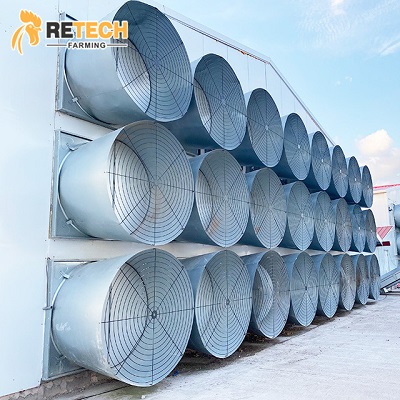
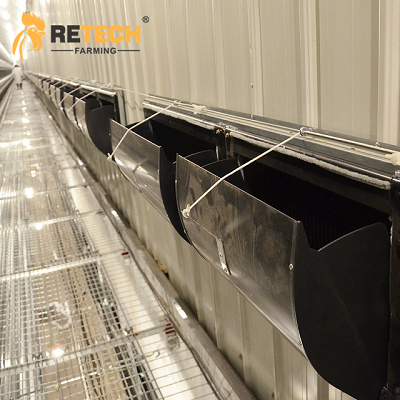
In order to increase the number of chickens raised, the number of chickens raised per unit area is blindly increased, more chickens are raised in fewer chicken houses, and the stocking density is too high. High density during the laying period seriously affects the normal behavior of chickens, produces many bad habits, greatly increases the adverse stimulation of the chickens, reduces the resistance of the chickens, makes the chickens often in a sub-healthy state, is more prone to stress reactions, increases the incidence of diseases, and seriously affects the production performance.
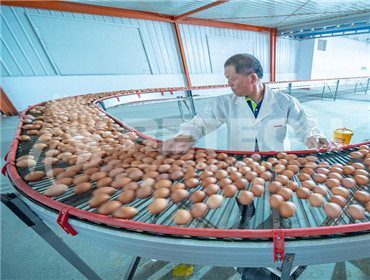
RETECH FARMING makes your chicken raising business much easier and more efficient,modern chicken cage improves your farming profits.
10 tips to ensure that your poultry farm runs smoothly and efficiently while always producing a quality product.
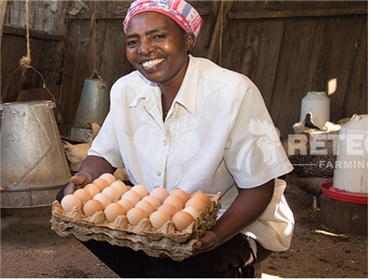
Modern poultry farms battery cage raising chicken in Kenya
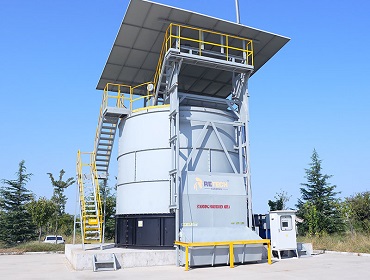
Sustainable treatment of manure in large-scale poultry farms in the Philippines: using vertical energy-saving fermentation tanks
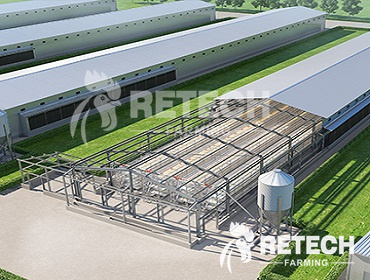
How should we build a chicken house?A comfortable and stable chicken coop should consider these 7 factors.
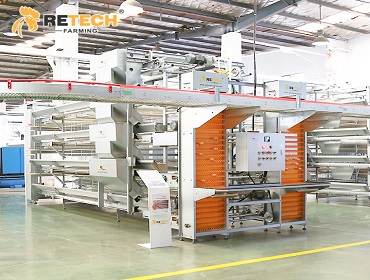
Thinking of using a layer cage system in the Philippines? Learn about the different types, materials, capacity, and how to choose the right chicken farming equipment for your poultry farm. Get expert advice now!





 Back to press release


